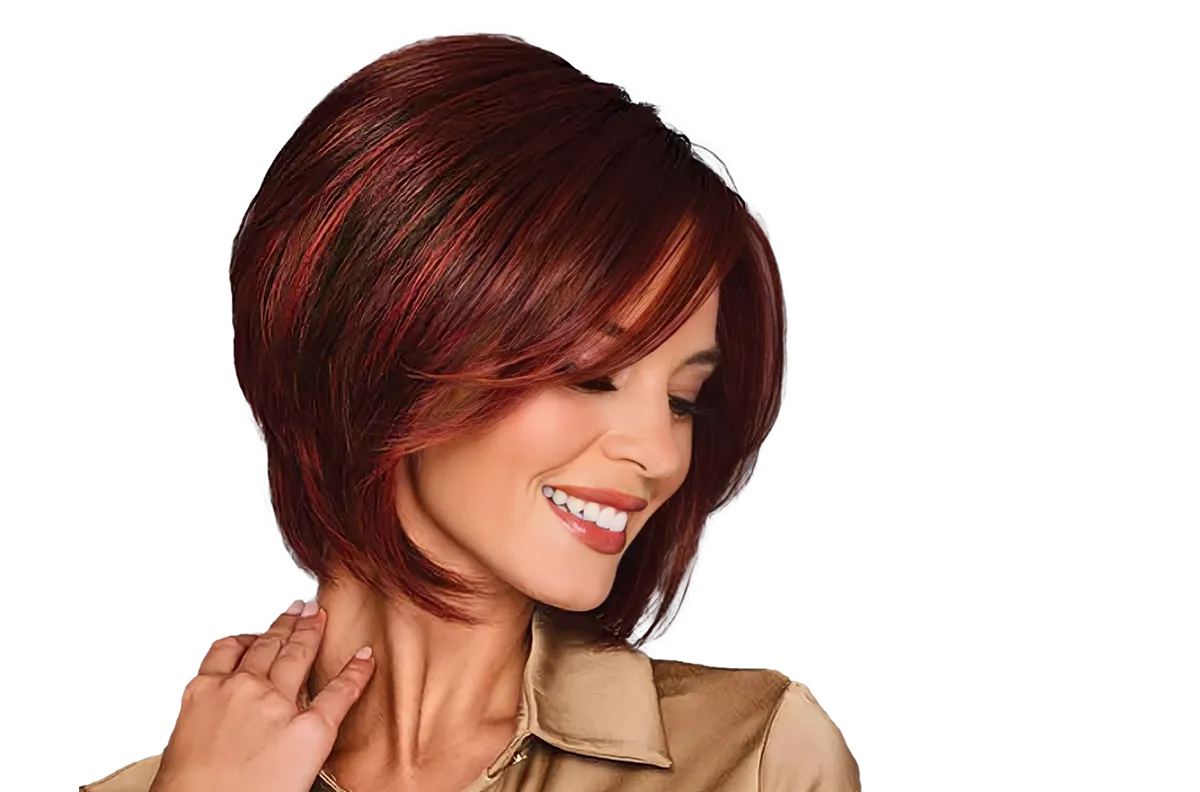
Feel confident and comfortable with our expert guide to keeping your synthetic wig looking lush for longer. With simple practical care tips, maintenance essentials, and styling advice you can preserve your wig’s softness, shine, and shape with ease.
How Long Do Synthetic Wigs Last?
High-quality synthetic wigs for women typically last between 4 to 6 months with daily wear. However, the exact lifespan of your piece depends on fiber type, hair length, and how closely you follow a maintenance routine. While synthetic hair is pre-styled and low-maintenance, the polymer fibers eventually succumb to "fiber fatigue," which is why it’s good to understand when to revive your wig and when to replace it.
Factors That Determine Your Synthetic Wig’s Lifespan
Fiber Friction (The Nape Factor)
Friction is the primary so-called "wig killer," especially in mid-length to long styles. As synthetic hair rubs against coat collars, scarves, or your own skin, it creates static and microscopic fraying known as "nape frizz." So, whereas a short bob might last 6 months because it sits off the shoulders, a long wig may show wear in just 3 months.

How Long You Use Your Wig
The lifespan of your wig is directly tied to how much you use it. Wearing the same wig for 14 hours every day will fatigue the fibers much faster than occasional wear. To extend the life of your favorite style, we recommend a rotation rule where you alternate between two identical wigs. This not only allows the fibers to "rest" it also reduces the washing frequency for each individual piece.
Environmental Heat
Synthetic fibers are essentially specialised plastics which make them extremely sensitive to heat. It isn't just styling tools that cause damage, even a blast of steam from a boiling pot or ambient heat from an open oven can singe the fibers. Because this damage is irreversible, it causes the hair to become brittle and fused.
The Products You Use
Using standard high street hairsprays or shampoos will destroy a synthetic wig’s finish as regular, non-specialised products contain alcohols and oils that create a stubborn white film on the hair, which leads to tangling and loss of shine. It’s recommended to only use sulfate-free, synthetic-specific care kits to ensure the chemical integrity of the fibers in your synthetic wig remains intact.
Traditional vs. Heat-Friendly Synthetic Lifespans
Traditional Synthetic Durability
Traditional synthetic wigs are the champions of longevity because these fibers are coated in a smooth, protective finish that resists friction better than softer alternatives. They also snap back into shape after every wash which typically provides 4–6 months of consistent wear before the fibers begin to fray.
Heat-Friendly (HD) Fiber Fatigue
While heat-friendly fibers (HD) offer incredible styling versatility, they are structurally more delicate. The texture is designed to be matte and soft like human hair, but this makes the fibers more prone to clumping and may only last 2–3 months with the impact of friction and if heat tools are being used daily.
The Cost-Per-Wear Comparison
When choosing between different types of wigs it’s important to consider the realities of your lifestyle. Traditional synthetic wigs offer the best long-term value for those who want a set style that stays perfect in any weather, while HD fibers are a luxury choice for those who want to prioritise styling and variety over maximum durability.
Physical Signs You Need a Replacement Wig
Feel for a "Crunchy" Texture
If the ends of your wig feel stiff or brittle even after a deep conditioning treatment, the fiber has reached the end of its lifecycle. This crunchy texture indicates that the internal moisture-locking properties of the polymer have failed, and no amount of product will be able to restore its original softness.
Loss of Style Memory
The greatest benefit of synthetic hair is that it basically remembers its style. So, if you wash your wig and find that the curls have gone limp or the sleek bob no longer falls into place, this means the fiber has lost its elasticity. Once style memory is gone, the wig will look unkempt and require constant manual fixing so it’s best to look for a replacement.
Permanent Tangles at the Nape
Occasional tangles are normal, but if the hair at the nape of the neck mats into a kind of nest within minutes of brushing, it means the fiber surface is blown. When the microscopic cuticle of the synthetic hair is shredded, the strands essentially hook into each other like velcro which means it’s time for a new wig.
Unnatural Fiber Shine
Over time, a wig’s protective coating wears off which can be seen in two extremes; it may become dull and lifeless, or it may develop an unnatural, plastic-looking shine that looks artificial in sunlight. When the light no longer reflects naturally off the fibers, the wig’s natural-looking realism is gone.
Maintenance to Extend Your Wig’s Use
The Daily Detangle
To prevent friction from turning into permanent damage, use a wide-tooth comb and a light mist of silicone detangling spray every morning. Always start at the tips and work your way up to the crown to avoid placing tension on the hand-tied cap construction.
The 10–14 Wear Wash
Avoid over-washing by cleaning your wig every 10 to 14 wears. This is enough to remove the salt and scalp oils that degrade the cap, without prematurely stripping the fibers. Always use cold water as hot water will relax the style and can permanently damage the fiber's shape.
The Monthly Cap Inspection
Once a month, check the adjustment tabs and elastics inside the cap. If the cap is stretching out, it can cause the hair to move unnaturally, which increases friction. Keeping the cap in good condition means the wig sits correctly, which indirectly protects the hair fibers from excess wear.
Proper Off-Duty Storage
Never leave your wig in a heap on the dresser; when it’s not in use, place it on a folding wig stand or a mannequin head. This allows air to circulate through the cap, which prevents the hair from developing box pleats or flat spots, and maintains the overall silhouette of the style.
Book a Private Longevity Consultation
If you’re unsure whether your current wig can be saved or it’s time for a fresh style, our specialists at Joseph’s Wigs are here to help. We offer private consultations at our UK locations to assess your wig's condition, provide professional styling tips, or help you choose a new synthetic piece that fits your lifestyle. Book your appointment today or browse our latest styles online.
Frequently Asked Questions
Can I sleep in my synthetic wig?
- No, sleeping in a synthetic wig causes immediate friction matting because of the fibers rubbing against bedding which creates irreversible knots and frizz. If you must sleep in your wig, use a silk or satin pillowcase and tie the hair in a loose plait to minimise movement.
Does swimming in a pool or the sea ruin synthetic hair?
- Yes, chlorine and salt strip the protective coating from synthetic fibers, leaving them dull and feeling crunchy. If you swim, wear an older wig and rinse it in fresh cold water immediately afterward to remove chemicals before they dry into the fiber.
How do I stop my wig from smelling without over-washing it?
- Use a synthetic-safe deodorizing spray or a light mist of water and fabric softener instead of a full wash. Always wear a clean wig cap underneath to absorb scalp oils and perspiration as this keeps the wig smelling fresh for twice as long without the wear and tear of water.
Can I use a regular hairbrush on my synthetic wig?
- No, standard brushes stretch the fibers, which will cause a permanent crinkled texture. Only use a wide-tooth comb or a specialist wire-bristled wig brush and always detangle from the ends upward to avoid putting tension on the cap’s hand-tied knots.
Why is my wig frizzy even though I don't use heat on it?
- This is usually caused by ambient heat around you (for example, from when you open a hot oven) or mechanical friction (hair rubbing against your shoulders). These factors fray the fibers microscopically so to prevent this, apply a silicone-based spray to the nape and ends every day to act as a protective lubricant.